
25 Essential LGBTQ Pride Songs: A Musical History
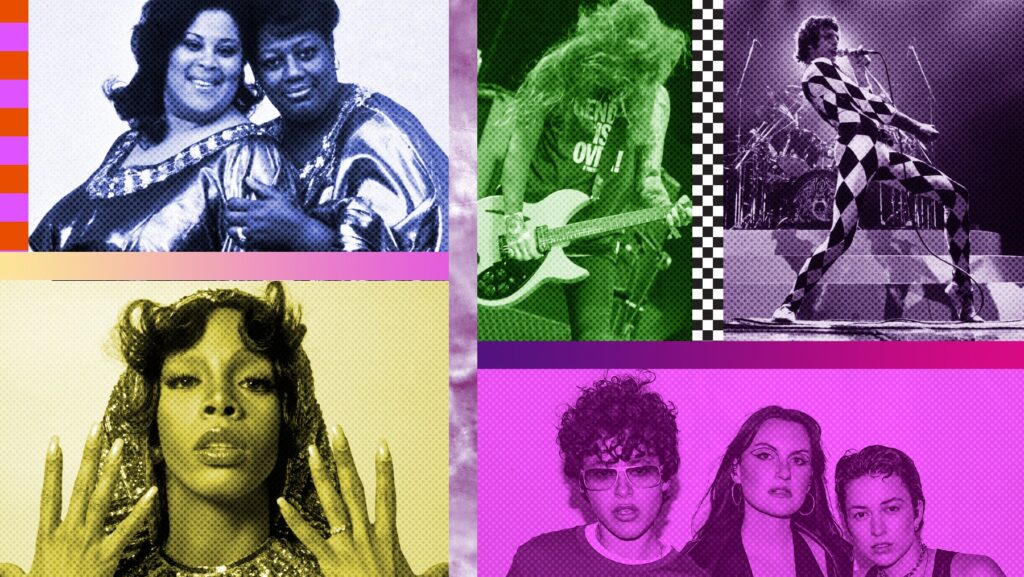
Is there an LGBTQ sensibility? What was it 50 years ago, before much of today’s language for gender and sexual identities even existed? Or, much more simply: Which songs best evoke the sex, drama, heartache, struggle, liberation, and mindfucks of queer lives then and now? What follows is not a completely comprehensive (or ranked) list, but one that follows the story from post-Stonewall disco parties to the gender-queer rock, R&B, and pop of today. Here are 25 essential pride songs from the 1970s to today.
The Foundations of Queer Pop
The journey begins with tracks like The Kinks’ ‘Lola’ (1970), which served as an improbable mainstream hit and arguably the first song with an LGBTQ theme to reach the top of the charts. As the decade progressed, artists like Donna Summer and Sylvester brought the queer experience to the dance floor. Summer’s ‘I Feel Love’ (1977) birthed modern EDM, while Sylvester’s ‘You Make Me Feel Mighty Real’ (1978) remains a transcendent ode to joy from a non-binary icon of the disco era.
Coming Out and Finding Community
The 1980s and 90s saw a shift toward more explicit declarations of identity. Diana Ross’ ‘I’m Coming Out’ (1980) became an instant anthem, despite the singer’s initial hesitation. Meanwhile, Bronski Beat’s ‘Smalltown Boy’ (1984) captured the vulnerability of running away from a home that didn’t understand you. Madonna‘s ‘Vogue’ (1990) connected the underground Harlem drag ball scene to the mainstream, while George Michael‘s ‘Freedom! ’90’ (1990) provided a radical, transformative honesty that paved the way for future generations.
Modern Anthems of Self-Love
In the 21st century, the landscape of queer music has expanded to include a diverse array of voices. Lady Gaga‘s ‘Born This Way’ (2011) cemented her status as a global LGBTQ ally, while artists like Frank Ocean, Lil Nas X, and Chappell Roan have continued to push boundaries. From the indie-pop joy of Muna‘s ‘Silk Chiffon’ to the raw honesty of Isaiah Rashad‘s ‘Act Normal,’ these songs continue to provide a soundtrack for liberation and self-acceptance.