
The Complex Legacy of Roald Dahl: A New Podcast Explores the Man Behind the Magic
The Enigmatic Mind of a Literary Giant
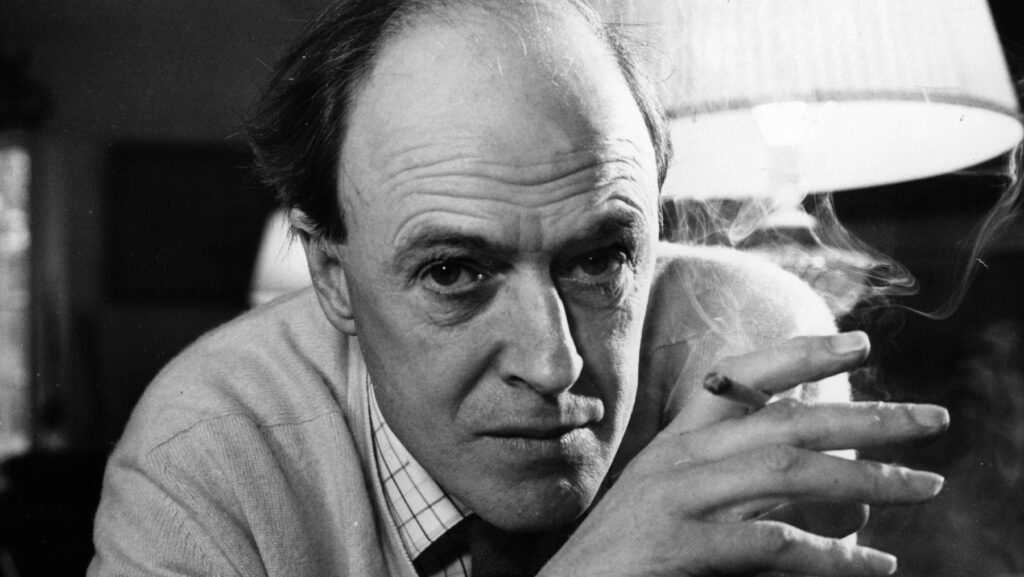
To millions of readers, Roald Dahl is the architect of childhood wonder, the imaginative force behind classics like Matilda, Charlie and the Chocolate Factory, and The BFG. Yet, beneath the whimsical prose lies a figure of immense complexity. Dahl was not merely a children’s author; he was a fighter pilot, a spy in Washington, D.C., a Hollywood screenwriter, and even an unlikely inventor of life-saving medical technology. A new 10-part podcast, The Secret World of Roald Dahl, from iHeart Studios and Imagine Entertainment, attempts to reconcile these disparate identities.
Writer Aaron Tracy, the host of the project, argues that it is precisely these contradictions that make Dahl such a compelling subject. “I would not have been interested in Dahl if he was just one thing,” Tracy explains. “It’s the fact that he contains multitudes that makes him so fascinating.” The podcast does not shy away from the darker chapters of his life, including his well-documented antisemitism and the problematic depictions found in his work, which have sparked ongoing debates about how we should engage with the art of flawed individuals.
Grappling with the Art and the Artist
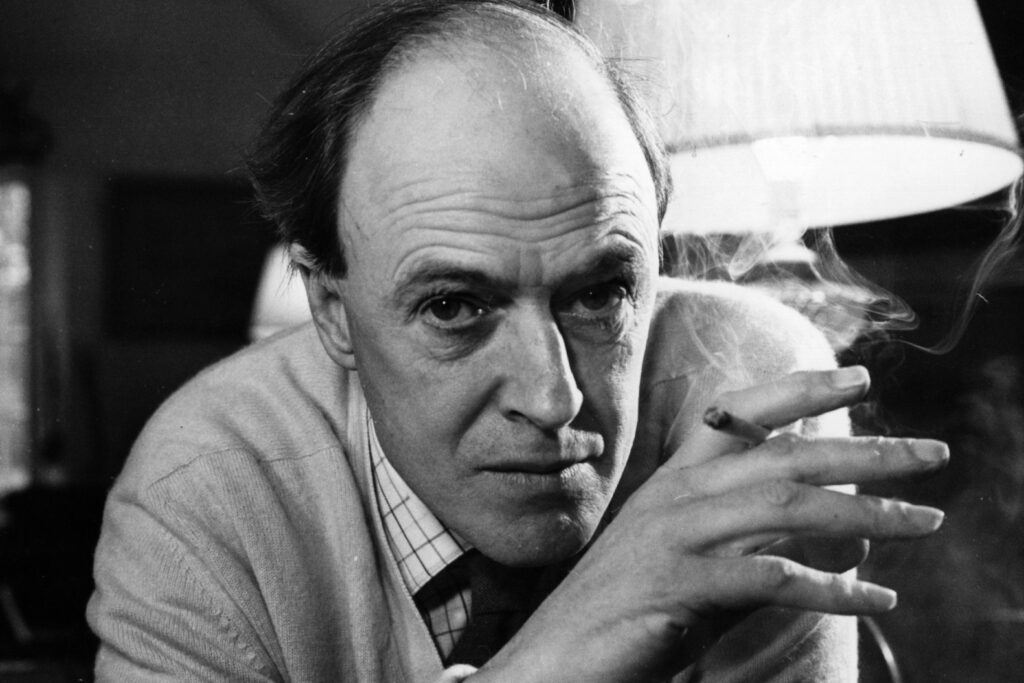
The question of whether to separate the art from the artist is a central theme of the series. Tracy notes that he, like many others, has found himself enjoying the work of creators whose personal lives were deeply troubling. When it comes to his own children, he has chosen a path of active engagement rather than avoidance. “I’m very happy to share his stuff with my kids,” he says. “Probably edit a little bit of it as I read it, in real time… but also when they’re able, have a conversation with them about who Dahl was.”
This approach mirrors the sentiments of cultural critics like Claire Dederer, who argue for a nuanced engagement with problematic works. The podcast features discussions with various voices, including Roxane Gay, to explore the ethical dimensions of consuming art created by those who held hateful views. For Tracy, the goal is not to provide a simple verdict but to facilitate a deeper understanding of a man who could simultaneously write a searing indictment of American materialism and harbor deeply bigoted views.
From Spy to Inventor
Perhaps the most surprising revelation in the podcast is Dahl’s role as an inventor. Following a tragic accident that left his son, Theo, with hydrocephalus, Dahl refused to accept the limitations of existing medical technology. He collaborated with a toy maker and a neurosurgeon to develop a valve that could drain fluid from the brain without the high risk of infection. In a move that underscored his complex character, he ensured the device was distributed globally without personal profit, ultimately helping thousands of children.
This narrative of the “heroic inventor” sits in stark contrast to his public controversies, further complicating the legacy of a man who remains, decades after his death, a towering figure in global culture. As adaptations of his work continue to flourish on screen and stage, The Secret World of Roald Dahl serves as a necessary, if uncomfortable, companion to the stories we thought we knew.