
Bruce Springsteen Teams Up With the ACLU for ‘Born in the U.S.A.’ Birthright Citizenship Video
On April 1, the United States Supreme Court is scheduled to hear oral arguments in Trump v. Barbara, a landmark legal battle concerning birthright citizenship. The case, which challenges a January 2025 executive order signed by President Trump, seeks to redefine the 14th Amendment in a manner that would strip automatic citizenship from children born on U.S. soil. While lower courts have blocked the order, the highest court in the land will now provide the final verdict.
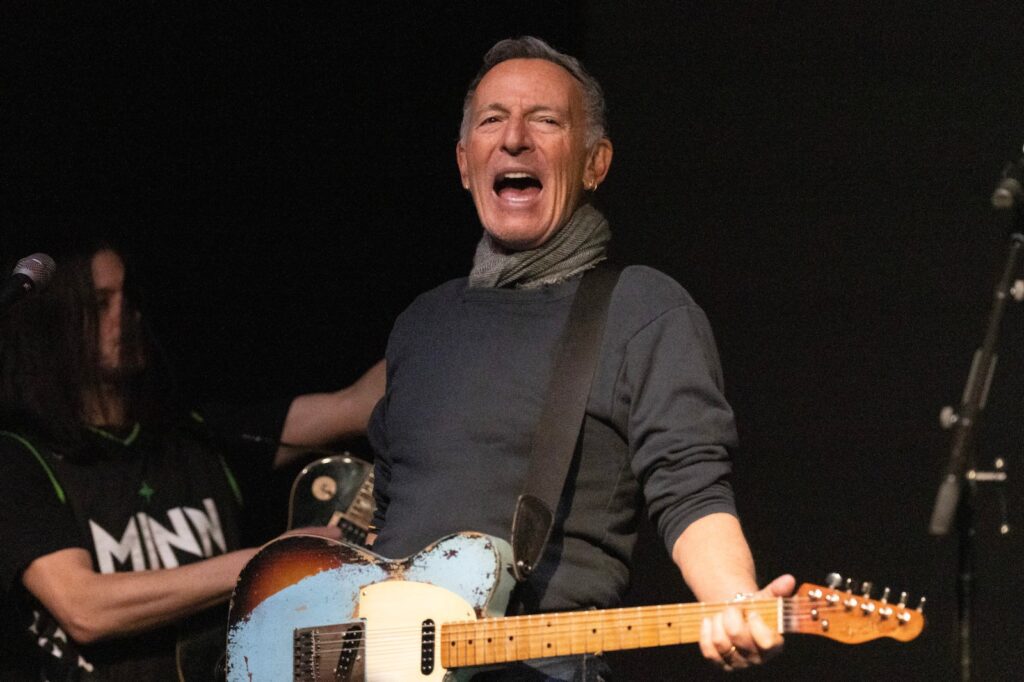
In a powerful act of protest, the American Civil Liberties Union (ACLU) has partnered with Bruce Springsteen to release a poignant 30-second video. The campaign utilizes Springsteen’s 1984 anthem, “Born in the U.S.A.,” to underscore the human cost of the administration’s policy, featuring diverse Americans whose lives hang in the balance.
The Genesis of the Campaign
Anthony D. Romero, executive director of the ACLU, recalls the moment the idea took root. “I got the idea during an interview with Katie Couric shortly after the inauguration,” Romero explains. “As we discussed the executive order, I began singing the chorus of ‘Born in the U.S.A.’ It felt like the only appropriate response to such a blatant attempt to rewrite constitutional history.”
Birthright citizenship is viewed by civil rights advocates as a foundational pillar of American democracy. It was the mechanism used to address the legacy of slavery, ensuring the children of enslaved people were recognized as citizens, and it remains the bedrock of a nation defined by its immigrant population.
A Patriotic Call to Action
The campaign aims to reclaim the imagery of patriotism. Romero notes that the administration’s strategy often involves pitting communities against one another, but the ACLU intends to use the video to remind viewers that birthright citizenship is an inclusive, shared value. The song “Born in the U.S.A.” serves as a bridge, evoking a sense of pride that transcends partisan divides.
“We weren’t going to cede the flag,” Romero says. “We wanted to reach folks who might not usually engage with the ACLU. When you hear that brassy refrain, you feel bold. You feel proud of your community and the values that make America truly great.”
The Legal Battlefield
The legal journey to the Supreme Court was arduous. Following the executive order, the ACLU filed suit within hours, even on a federal holiday. The complexity of the case, combined with overlapping litigation from various states, meant a long wait for the Supreme Court to finally grant certiorari in December 2025.
“It’s one of the most consequential cases in a century,” says Romero. “We are confident that the Justices will recognize that the Constitution is clear: the president does not have the authority to unilaterally redefine citizenship. We have over a hundred years of precedent on our side.”
Looking Ahead
Should the Court rule against the ACLU, the organization is prepared for a long-term fight. Romero emphasizes that the organization is built for endurance. “We’ve been around for 106 years. If this takes another 106 years to correct, we will keep fighting. We will not allow the creation of a permanent underclass that would destroy the very fabric of our democracy.”