

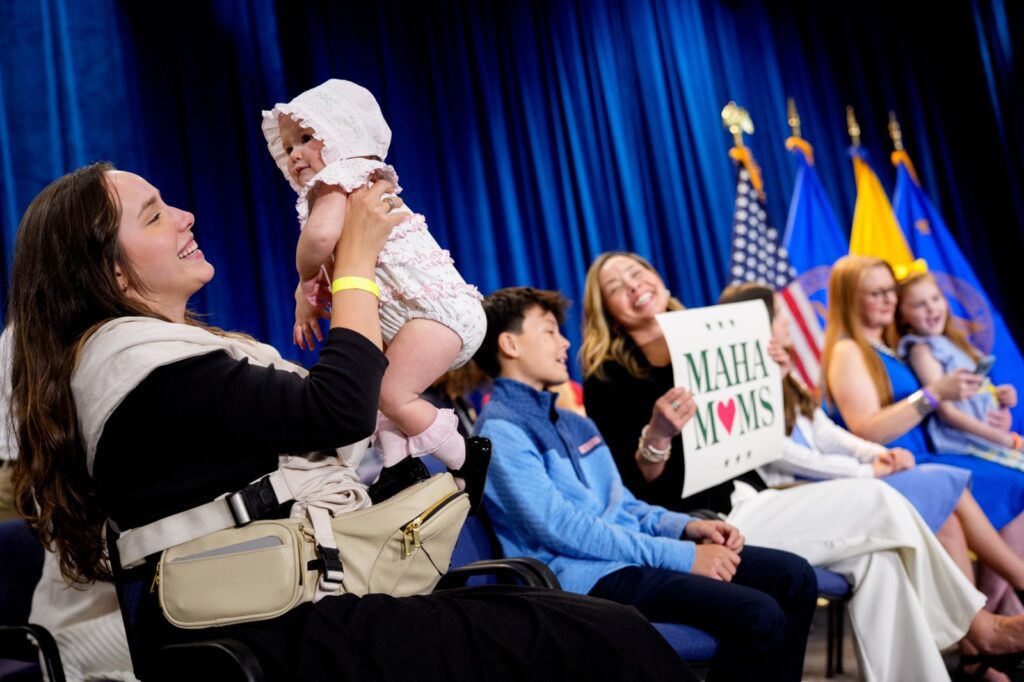
The Rise of the MAHA Mom: How Vaccine Skepticism Fueled a New Political Movement
The Evolution of the ‘Bad Mother’ Trope
The concept of the “bad mother” has long served as a powerful social construct, a tool used to police and control women who deviate from societal expectations. Historically, this label was nebulous; in the 18th century, the focus was primarily on survival. Today, however, the “bad mom” is a pervasive shadow, a social force used to punish those who refuse to conform to modern standards of parenting. In her book One Bad Mother, Ej Dickson explores how this construct has evolved, tracing its path from historical figures to the contemporary “MAHA mom.”
The MAHA (Make Americans Healthy Again) movement emerged prominently in the lead-up to the 2024 election. Often characterized by a specific aesthetic—polished, natural, and wellness-focused—these women became a significant political force. While critics often dismiss them as brainwashed followers of Robert F. Kennedy Jr. or as individuals preying on parents of children with chronic illnesses, the reality is far more nuanced. Their devotion to their children is fierce, and their path into this movement is often paved with genuine, albeit misguided, concern.
The Pandemic Catalyst
The rise of the MAHA mom cannot be separated from the context of the Covid-19 pandemic. In early 2020, as the world retreated into isolation, many mothers found themselves shouldering the entirety of domestic labor while navigating the anxieties of school closures and mask mandates. This environment created a perfect storm for the spread of conspiracy theories. As parents sought answers for their children’s developmental struggles, they turned to online communities that offered simple, albeit dangerous, explanations.
Will Sommer, author of Trust the Plan, notes that the “mama bear” archetype became a central figure in this shift. For many, the mandate of vaccines for school attendance served as a flashpoint, drawing in those already predisposed to vaccine skepticism. What began as a search for community and understanding quickly spiraled into a broader rejection of mainstream medical guidance, fueled by the echo chambers of social media.
The Intersection of Medical Distrust and Radicalization
A critical factor in the radicalization of these mothers is a profound, often justified, distrust of the medical establishment. Many women, particularly those from marginalized communities, have experienced systemic failures within the healthcare system. Studies have shown that women’s pain is frequently dismissed, and for Black mothers, the maternal mortality rate is significantly higher than that of their peers. These experiences of “medical gaslighting” create a vacuum that alternative health movements are all too eager to fill.
Ceara Foley, a former field director for the Kennedy campaign, illustrates this trajectory. After her pediatrician dismissed her concerns about her daughter’s breathing—later attributed to household mold—her skepticism of mainstream medicine deepened. This experience is not unique. Many mothers who eventually become prominent figures in the anti-vaccine movement describe a similar history of feeling unheard, shamed, or mocked by medical professionals. When they finally find a community that validates their fears, the transition from skepticism to full-blown radicalization can be rapid.
The Complexity of Maternal Devotion
It is easy to categorize these women as villains, but doing so ignores the underlying desperation that drives them. When a parent is faced with a child suffering from chronic illness or developmental challenges, the need for answers is overwhelming. The MAHA movement provides a narrative that empowers these mothers, positioning them as the ultimate protectors of their children against a system they perceive as indifferent or actively harmful.
While the misinformation they propagate is objectively dangerous, the emotional reality of their journey is deeply human. The challenge for society is to address the systemic failures in healthcare that drive women toward these movements without validating the harmful pseudoscience they adopt. Acknowledging that these women are both victims of a flawed system and perpetrators of dangerous ideas is essential to understanding the complex landscape of modern American extremism.