
The Rise of the MAHA Mom: How Vaccine Skepticism Reshaped Modern Motherhood
The Evolution of the ‘Bad Mom’ Construct
The concept of the “bad” mother has long served as a powerful social tool, a nebulous construct used to police and control women who deviate from societal expectations. Historically, the pressure to be a “good” mother was less about survival and more about conformity. Today, however, that pressure has morphed into a high-stakes battleground, particularly for those navigating the complexities of modern parenting in a polarized political climate.
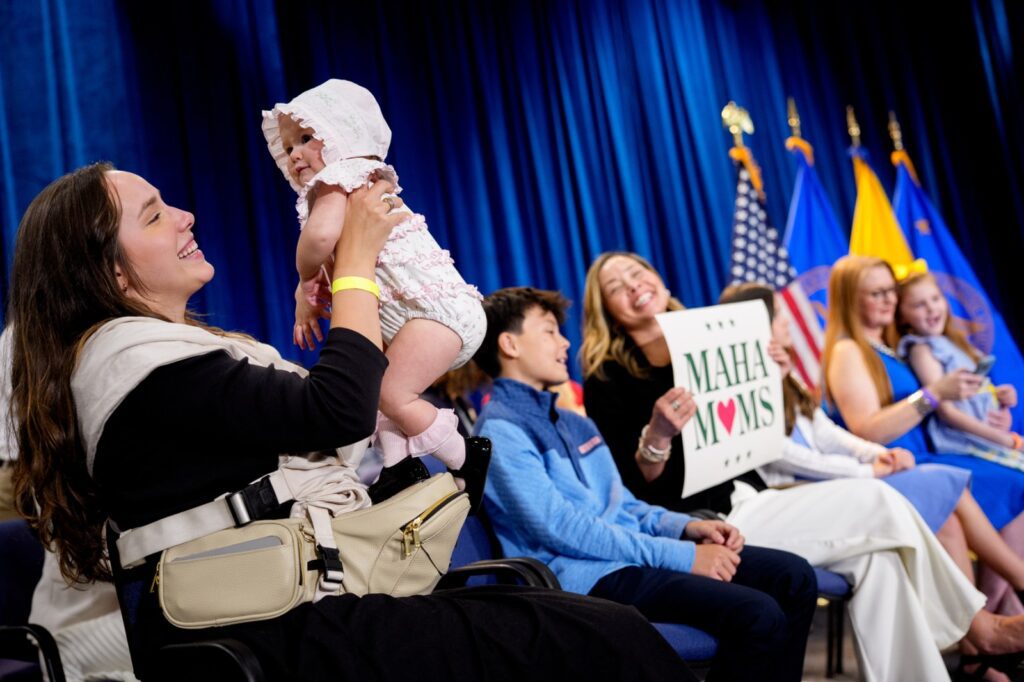
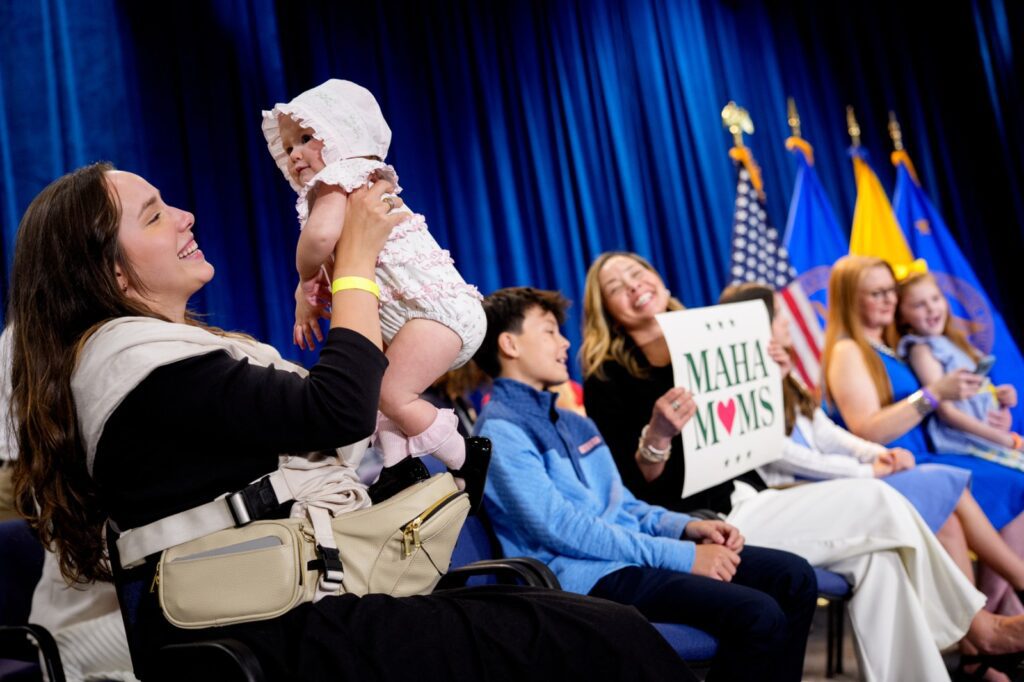
One of the most contentious figures to emerge from this landscape is the “MAHA” (Make American Healthy Again) mom. Often characterized by a blend of wellness-focused domesticity and staunch vaccine skepticism, these women have become a significant, if misunderstood, political force. While critics frequently dismiss them as brainwashed followers of Robert F. Kennedy Jr., the reality of their movement is deeply rooted in a profound, often heartbreaking, desire to protect their children from perceived threats.
The Pandemic as a Catalyst for Radicalization
The seeds of the MAHA movement were sown during the 2020 pandemic. As schools shuttered and domestic responsibilities ballooned, mothers found themselves isolated and increasingly reliant on digital communities for support. This environment created a perfect storm for the proliferation of conspiracy theories. What began as discussions about nutrition or gentle parenting often spiraled into deeper rabbit holes involving government overreach and medical distrust.
Will Sommer, author of Trust the Plan, notes that the mandate for vaccines to attend school acted as a primary trigger for many “mama bears” who were already predisposed to vaccine hesitancy. For these women, the movement offered a sense of agency and community in a world that felt increasingly out of control. They were not merely following a political leader; they were seeking a champion for their specific, often ignored, anxieties.
The Intersection of Medical Trauma and Distrust
It is a mistake to view the MAHA movement as a monolith of privilege. While the stereotype of the affluent, suburban “Whole Foods mom” persists, the reality is far more complex. Research, including studies published in Gender and Society, highlights that vaccine hesitancy is also prevalent among Black mothers, whose decisions are frequently informed by legitimate experiences with structural racism and systemic failures within the healthcare industry.
Many women, regardless of race or socioeconomic status, have reported repeated instances of medical gaslighting—where their concerns about their children’s health were dismissed by pediatricians as “nervousness.” When a mother feels that the medical establishment has failed her child, she is naturally more susceptible to alternative narratives. As Ceara Foley, a former field director for Kennedy’s campaign, noted, these women often feel that they are the only ones fighting for their children’s well-being in a system that refuses to listen.
The High Cost of Protection
The irony of the MAHA movement is that the very desire to protect children often leads to outcomes that are objectively dangerous. By rejecting modern medical advancements like the MMR vaccine, these mothers may inadvertently expose their children to preventable risks. The tragedy is compounded by the fact that many of these women are themselves victims of a system that has failed to provide adequate care or validation for their children’s chronic illnesses.
Ultimately, the MAHA mom phenomenon is a symptom of a broader societal failure. It highlights the desperate need for a healthcare system that listens to mothers, validates their concerns, and provides transparent, accessible care. Until that happens, the void will continue to be filled by alternative movements that offer answers, however misguided, to mothers who feel they have nowhere else to turn.