
The Rise of the MAHA Mom: How Vaccine Skepticism Reshaped Modern Motherhood
The Evolution of the ‘Bad Mother’ Construct
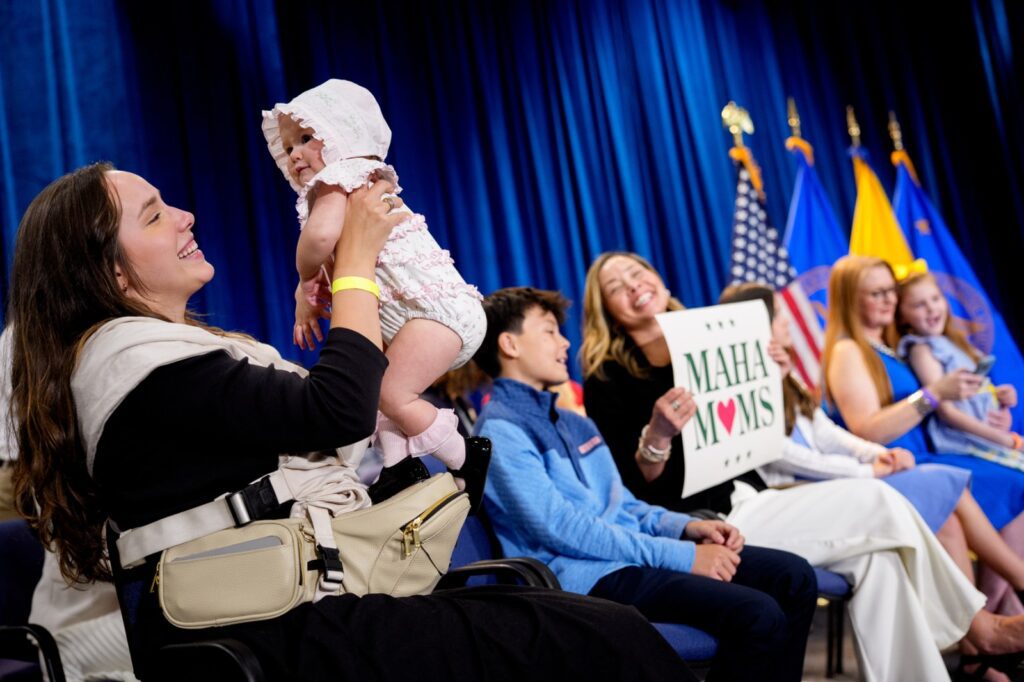
The concept of the ‘bad mother’ has long served as a social cudgel, a flexible construct used to police women’s behavior and enforce conformity. Historically, the pressure to be a ‘good’ mother was less about survival and more about social performance. However, as Ej Dickson explores in her new book One Bad Mother, this social construct has evolved into a powerful, often punitive force. In the lead-up to the 2024 election, a new archetype emerged: the MAHA (Make American Healthy Again) mom. These women, often characterized by a blend of wellness-focused domesticity and staunch vaccine skepticism, played a pivotal role in the political landscape, challenging traditional narratives about maternal responsibility.
The Intersection of Wellness and Extremism
The rise of the MAHA movement is not an isolated phenomenon but rather the latest iteration of a trend that gained significant momentum during the 2020 pandemic. As schools closed and domestic burdens intensified, many mothers found themselves isolated, turning to social media for community and answers. This environment proved fertile ground for conspiracy theories. What began as discussions about nutrition and natural health often spiraled into broader anti-establishment narratives, including skepticism toward the MMR vaccine and other public health initiatives.
While critics often dismiss these women as ‘brainwashed’ or ‘MAGAbots,’ the reality is far more nuanced. Many of these mothers are driven by a fierce, protective instinct toward their children, particularly those navigating chronic illnesses or developmental challenges. When the mainstream medical establishment fails to provide the answers or the care they seek, these mothers often look elsewhere, finding solace and validation in alternative communities that promise clarity and control.
The Role of Medical Mistrust
A critical factor in the radicalization of these mothers is a profound, and often justified, mistrust of the medical system. For many, this skepticism is rooted in personal experiences of being dismissed, gaslit, or ignored by healthcare providers. This is particularly true for Black mothers, who face systemic disparities in maternal mortality and healthcare outcomes. When a mother’s concerns about her child’s health are repeatedly minimized, the resulting trauma can lead to a complete breakdown of trust in institutional medicine, making them highly vulnerable to misinformation that validates their feelings of betrayal.
The Paradox of Protection
The irony of the MAHA movement lies in its stated goal: protection. These mothers are motivated by a desire to shield their children from perceived threats, whether those threats are environmental toxins, government overreach, or medical interventions. Yet, in their pursuit of this protection, they often adopt ideologies that place their children at greater risk. The tragedy is that these women are often victims of their own desperation, preyed upon by bad actors who exploit their anxieties to advance political agendas. Understanding the MAHA mom requires moving beyond caricature to acknowledge the complex interplay of maternal love, systemic failure, and the search for agency in an increasingly uncertain world.