
‘Crypto Godfather’ Faces New Charges in Kidnapping Case
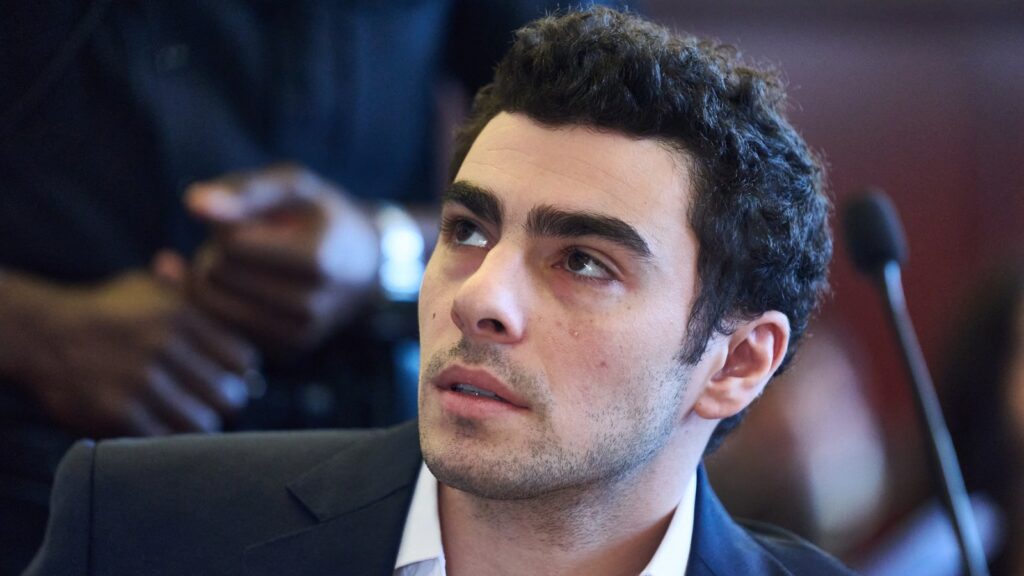
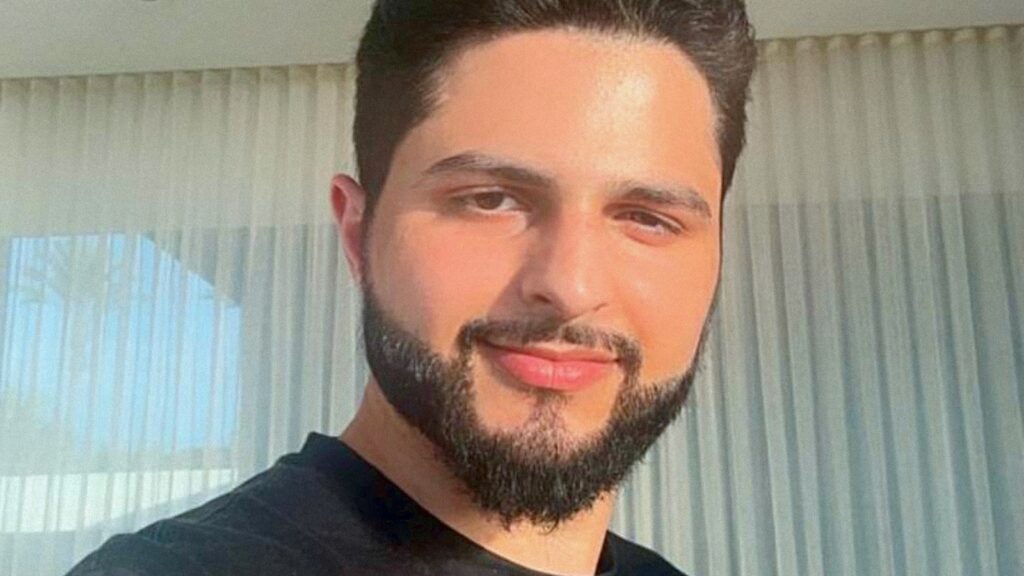
Adam Iza, who investigators call the Crypto Godfather, was set to be sentenced this month in Los Angeles for tax evasion, wire fraud, and running what amounted to a vast criminal conspiracy complete with Los Angeles Sheriff’s Department officers on his payroll, intimidation of rivals, and extortion schemes, as detailed in Rolling Stone.
His sentencing has now been rescheduled to March 2 due to new charges announced by the U.S. Attorney in Connecticut. According to a Nov. 20 indictment, Iza and two other men have been charged in connection to a kidnapping in Danbury, Connecticut, in August of 2024. Iza helped pay for the kidnapping plot, according to the new charges, and directed the operation remotely.
The target of the alleged plot was a former honor student named Veer Chetal, who was 18 at the time and about to start his freshman year at Rutgers University. According to court records and previous reporting from The New York Times, Chatel belonged to the Com, or the Community, a loose confederation of criminal hacking groups. (Several sources previously told Rolling Stone that Iza was connected to the Com, but through his attorney, Josef Sadat, Iza denied ever being a part of the group.)
In August 2024, word began to spread within the Com that Chetal was part of a group that had recently scammed a Washington, D.C., man of 4,100 Bitcoin, a haul worth approximately $243 million at the time. Later that month, the FBI says Iza and two other men — James Schwab, a 22-year-old from Peachtree Corners, Georgia, and 22-year-old Saif Faiq of St. Louis — hired six men from Miami to kidnap Chetal’s parents and hold them for ransom. (Schwab has pleaded not guilty. Faiq has yet to enter a plea.)
In the late afternoon of Aug. 25, 2024, Chetal’s parents, Sushil and Radhika, were house-hunting in Danbury, according to federal prosecutors, when a white Honda Civic rammed them from behind and a white work van cut in front, trapping the Chatels in their new Lamborghini (Sushil was at the time a vice president at Morgan Stanley in New York).
Six men dressed in black and wearing masks then emerged from their vehicles, according to a criminal complaint, and dragged the couple to the open door of the waiting van. The men beat Chetal’s dad with a baseball bat and then bound both his parents’ arms and legs with duct tape.
The kidnapping was so brazen that the Danbury Police Department received multiple 911 calls from witnesses as it was unfolding, according to the Times, including from an off-duty FBI agent who lived nearby and began trailing the kidnappers.
When a patrol car joined the chase, the van began weaving through traffic and eventually swerved off the road and hit a curb, per the Times, at which point four suspects fled on foot. The police found one suspect hiding under a bridge and the three others in the woods nearby. They eventually tracked down two other suspects at an Airbnb in nearby Roxbury, Connecticut.
The Chetals’ Lamborghini Urus, which has a starting price starting at around $240,000, was also found in the woods, causing police to wonder about the motive for the carjacking. A few days later, they got a tip from the FBI that the robbery might have been linked to the $243 million crypto heist, and Chatel’s possible involvement. (Chatel and two other alleged co-conspirators, who went by the handles Anne Hathaway and VersaceGod online, have been charged in federal court in Washington, D.C., for the alleged robbery. Chatel’s attorney, David Weinstein, declined to comment on the matter to Rolling Stone.)
A few weeks after the Danbury kidnapping, the U.S. Attorney’s office in Connecticut charged the six men from Miami with conspiracy and carjacking in connection with the kidnapping. All six have pleaded guilty. Three of the men — Angel Borrero, a.k.a. “Chi Chi,” Reynaldo Diaz, and Ricardo Estrada — have also been charged in an unrelated carjacking and armed robbery in Miami that allegedly occurred in July 2024 in Brickell, an affluent neighborhood in Miami’s financial district.
Police have previously said Borrero organized, booked, and paid for flights for the kidnapping crew to travel to Connecticut. But according to the recently unsealed documents in federal court, he did so after being recruited for the job by Faiq, who is Iza’s brother (Iza’s birth name is Ahmed Faiq; he changed it as a teenager). The indictment alleges that Faiq also traveled to Connecticut and helped conduct surveillance on the Chetal family prior to the attack.
Like Faiq, Iza has yet to enter a plea in the case. Faiq’s court-appointed attorney is no longer representing him; he is awaiting new counsel. Iza’s attorney in the Connecticut case, Bill Paetzold, declined comment. The U.S. Attorney’s office also declined comment.
Roughly a month after the Danbury kidnapping, Iza was taken into custody by the FBI in Los Angeles on unrelated charges. As detailed in Rolling Stone, Iza has since agreed to a plea deal related to that case, admitting to tax evasion, wire fraud, and using members of law enforcement to extort, harass, and intimidate rivals and business associates. Three former LASD deputies have accepted plea deals in the case.
“His mind is dangerous as fuck,” Enzo Zelocchi, an alleged victim in that case, previously told Rolling Stone of Iza. Zelocchi said he had to leave Los Angeles because he feared Iza.
Joshua Cooper-Duckett, director of investigations for Cryptoforensic Investigators, says Iza is unique in the world of large-scale crypto theft in that he allegedly engages in real-world threats and intimidation. “A lot of these groups that are doing crypto stuff, they don’t typically spill out into the real world,” Duckett says. “They’ll hire somebody else to do it, or they’ll post asking for somebody else to do it.”
Cooper-Duckett helped investigate the $243 million crypto heist that resulted in the kidnapping of Chetal’s parents. He is part of a growing number of cybersecurity experts who track crypto theft and fraud and help law enforcement recover stolen funds. He says that when he started out nearly four years ago, big crypto heists were fairly rare. “Now,” he says, “these kinds of thefts are becoming kind of an everyday thing.”