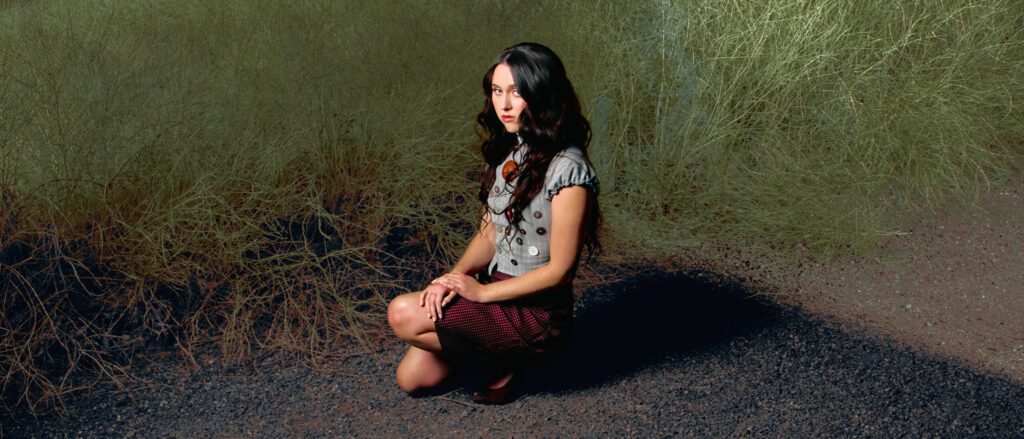


“Lonely Dirt Road” by Dax
There is a profound, meditative quality to “Lonely Dirt Road” by Dax that demands the listener’s immediate attention. More than a simple musical composition, the track serves as a sonic ritual—a journey through the landscapes of solitude, emotional turbulence, and the eventual pursuit of self-discovery. As Dax navigates his internal world, he invites the audience to join him on these metaphorical mental health drives, transforming highly personal struggles into a narrative that resonates with universal human experience.
The Anatomy of Vulnerability
The lyrical architecture of “Lonely Dirt Road” is defined by its stark, unflinching honesty. Dax peels back the layers of his own psyche, addressing the unseen burdens that often weigh heaviest on the soul. When he sings, “I bring my hatred, I pack my pain / All the emotions I cannot explain,” he articulates a struggle that many recognize but few possess the courage to voice. This is the sound of someone confronting internal chaos head-on. By weaving together memories of familial influence, personal shortcomings, and the relentless search for inner quiet, Dax creates a narrative arc that feels like a long, winding road toward clarity.
A Masterclass in Understated Production
Musically, the track is a triumph of restraint. Rather than leaning on over-produced layers, the arrangement remains steady and contemplative, effectively mirroring the physical sensation of a long drive on a desolate road. The rhythm is deliberate, providing the necessary space for Dax to pour raw, emotive weight into every syllable. This sparse production choice is not just an aesthetic decision; it is a tactical one, ensuring that the listener is never distracted from the central message of resilience and reflection.
Resilience Through Sound
“Lonely Dirt Road” stands as a testament to the healing power of music. It is a companion for those navigating their own internal landscapes, offering a space where discomfort can be acknowledged and solitude can be honored. Dax proves that even when we are isolated, the act of reflection can lead to a breakthrough. It is a moving piece of art that encourages us to look at our own “dirt roads” with compassion and the understanding that peace is often found at the end of the most difficult journeys.