

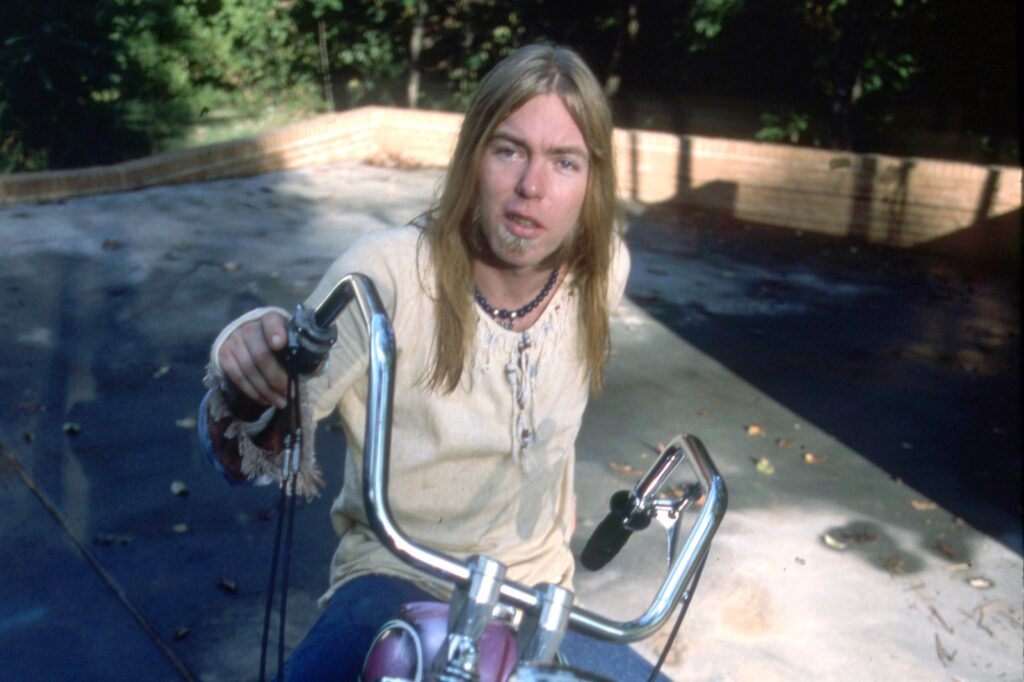
Gregg Allman: A Life of Music, Trauma, and Redemption
When filmmaker James Keach signed on to direct Gregg Allman: The Music of My Soul, a new documentary about the Allman Brothers Band’s co-founder, he admits he knew the group’s music but wasn’t fully versed in the history. Then he had a conversation with his wife, who insisted he take the project, noting that the band’s music had been a formative part of her life.
It was a pivotal decision for the director, who previously documented the life of Glen Campbell in I’ll Be Me (2014) and co-produced the Johnny and June Carter Cash biopic Walk the Line. Gregg Allman: The Music of My Soul, produced by Subtext and Rolling Stone, offers an intimate look at the legendary musician, centered around a rarely seen 2014 interview conducted just three years before his death.
A Shared History of Segregation and Inclusivity
Keach, 77, found himself drawn to the project by two specific elements: the profound bond between Gregg and his brother, Duane Allman, and the band’s stance on social issues. Growing up in Taft, Texas, Keach witnessed the same segregated environment that shaped the Allman brothers in the 1950s. He discovered that the band was deeply committed to inclusivity, often refusing to perform at venues that would not admit their Black bandmates or staff.
The new documentary ‘Gregg Allman: The Music of My Soul’ looks at all aspects of the singer and songwriter’s life, including his marriages and his battles with addiction.
“I discovered Gregg and the Allman Brothers were very much against that,” Keach says. “It reinforced my mind that somebody had created an artificial separation. It’s important in these times to have that kind of attitude.”
Tragedy and the Cycle of Addiction
The film does not shy away from the darker chapters of Allman’s life. Following the tragic death of his brother Duane in a 1971 motorcycle accident, Gregg struggled with severe substance abuse. Keach views these struggles through a lens of empathy, describing addiction as a symptom of deeper, unresolved trauma.
“Addiction is numbing,” Keach explains. “The addiction is a symptom of something else. You’re trying to numb something and put something on top of a feeling that you are having a problem dealing with.”
The documentary also addresses the band’s internal fractures, including the 1976 arrest of road manager John “Scooter” Herring and Allman’s subsequent testimony. Keach contends that Allman was forced into a difficult position, acting not out of self-preservation, but in a desperate attempt to save the band.
Redemption and Legacy
Despite the cycles of tragedy and addiction, the film ultimately serves as a narrative of redemption. Allman eventually achieved sobriety in 1995, becoming a vocal advocate against drug use for the remainder of his life. At the film’s New York premiere, Keach emphasized the importance of this journey.
“To see this man after 15 rehabs hit his bottom and then come back, for me it was a 12-step call that I wanted to make for the world,” Keach told the audience. “His music is phenomenal, but his story is phenomenal too.”